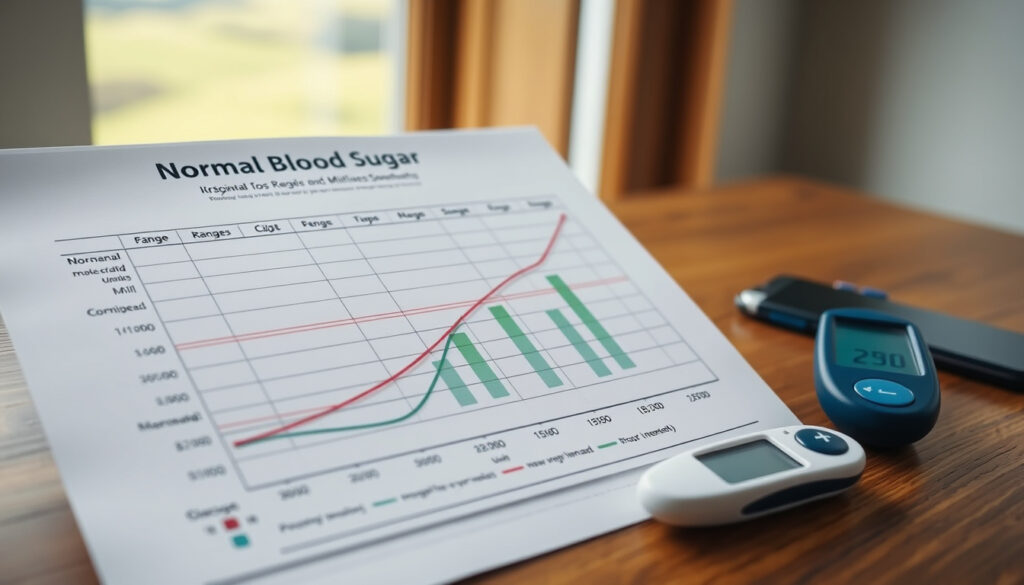
Female Normal Sugar Levels in Ireland: Charts & Ranges
If you’ve ever wondered whether your blood sugar reading is something to act on or simply file away for your next checkup, you’re not alone. Many Irish women find themselves squinting at a glucometer reading, unsure if 6.2 mmol/L is a reason to call the doctor or just a sign to skip the scone. This guide walks through the numbers that matter most for women living in Ireland, backed by official HSE guidelines and international standards. By the end, you’ll know exactly where the normal, target, and danger zones sit—and which everyday foods slide you closer to or further from them.
Normal fasting blood sugar: 4.0–5.9 mmol/L · 2 hours after eating: under 7.8 mmol/L · Target for type 2 diabetes fasting: 4–7 mmol/L · Pre-meal target: 4–7 mmol/L · Bedtime target: 5–9 mmol/L
Quick snapshot
- Normal fasting for non-diabetic females: 3.9–5.5 mmol/L (HSE Ireland)
- Ireland uses mmol/L exclusively per EU standards (EU In Vitro Directive)
- Pregnancy pre-meal target: 4–7 mmol/L (RCPI Guidelines)
- Whether subtle hormonal cycles create meaningful glucose swings in adult women outside pregnancy
- Exact age-graded targets for women aged 40–50 beyond general adult ranges
- The Irish National Diabetes Strategy 2016–2026 set current national targets (Diabetes Ireland)
- DAFNE programme established structured self-monitoring targets in 2002 (NIHR DAFNE Report)
- HSE continues risk-reduction outreach targeting women aged 40+
- Updated gestational diabetes guidelines published 2021; next review pending
Table 1 consolidates key blood glucose reference values from Irish health authorities.
| Measurement context | Value (mmol/L) | Source |
|---|---|---|
| Normal fasting (non-diabetic female) | 3.9–5.5 | HSE Ireland |
| Normal 2h post-meal | <7.8 | HSE Ireland |
| Type 2 fasting target | 4–7 | HSE Lenus |
| Ireland pre-breakfast target | 5–7 | HSE Diabetes Services |
| Post-meal target (type 2) | <8.5 | HSE Lenus |
| Gestational fasting normal (75g OGTT) | <5.1 | HSE Gestational Diabetes |
| Hypoglycaemia threshold | <4.0 | Diabetes Ireland |
| HbA1c target (diabetic, non-pregnant) | <53 mmol/mol | Diabetes Ireland Strategy |
| WHO fasting normal threshold | <5.6 | World Health Organization |
| Random glucose normal | <11.1 | HSE.ie Diabetes Overview |
What is a normal blood sugar level in Ireland?
Ireland’s Health Service Executive (HSE) sets blood glucose benchmarks that align with WHO standards, measured exclusively in millimoles per litre (mmol/L)—not the milligrams per decilitre common in the United States. For a non-diabetic adult woman in Ireland, a normal fasting reading sits between 3.9 and 5.5 mmol/L, according to the HSE health library. If that number climbs above 7.0 mmol/L while fasting, it typically signals that something warrants medical attention.
Fasting levels
A fasting blood glucose test measures your sugar after at least eight hours without food. The HSE chart specifically lists 4.0–5.4 mmol/L as the reference range for a non-diabetic adult female, though the broader clinical guidelines cite 3.9–5.5 mmol/L as the accepted window. For women managing diabetes, the target range before meals sits between 4 and 7 mmol/L, with the Irish Diabetes in Pregnancy guidelines pegging the same band for expectant mothers. The HSE Blood Glucose Chart gives a handy visual anchor for these figures.
Post-meal targets
Two hours after eating, a healthy non-diabetic woman should see her reading fall below 7.8 mmol/L. Women with type 2 diabetes have a slightly higher postprandial ceiling of 8.5 mmol/L, per HSE Type 2 management guidelines. Anything between 7.8 and 11.0 mmol/L two hours after eating falls into the prediabetes zone and should trigger a conversation with your GP.
Bedtime ranges
The DAFNE (Dose Adjustment For Normal Eating) programme, which trains type 1 diabetes patients in Ireland and the UK, recommends a bedtime target of 5–7 mmol/L for women with insulin-managed diabetes. This sleep-adjacent window gives enough buffer to avoid overnight hypoglycaemia while keeping glucose stable through the night. Women on certain medications should check with their prescriber whether their bedtime target needs adjustment.
What is the normal sugar level by age 40 to 50?
The 40s and early 50s are precisely when many Irish women start noticing their glucose readings creeping upward—not because of some dramatic shift in physiology, but because insulin sensitivity tends to decline from the mid-30s onward. The good news: the target ranges for non-diabetic women in this age band remain identical to the general adult population. No sex-specific differences in normal blood glucose ranges apply to adult women versus men in Ireland, according to NDTP clinical management guidelines.
Adult charts overview
Irish clinical guidelines do not publish separate charts for women aged 40 versus 20. The same fasting normal of 3.9–5.5 mmol/L and post-meal ceiling of 7.8 mmol/L apply across the adult lifespan, with one exception: women over 70 may receive a relaxed fasting target of 5–8 mmol/L, particularly if they have existing cardiovascular conditions, per IDF Ireland guidance. The World Health Organization defines normal fasting plasma glucose as below 5.6 mmol/L, a threshold that holds regardless of age or sex.
Fasting vs post-meal
The critical distinction for women in their 40s and 50s isn’t about different numbers—it’s about which number you check. Fasting glucose catches early insulin resistance. Post-meal readings reveal how your body handles a carbohydrate load. If your fasting reading sits comfortably in the normal range but your two-hour post-breakfast reading spikes above 7.8 mmol/L, that’s a pattern worth raising at your next GP visit. UK NICE guidelines, which closely mirror Irish practice, recommend the same 4–7 mmol/L pre-meal target for all non-pregnant adults with diabetes.
Type 2 diabetes risk climbs sharply from age 40 onward. A woman who monitors both her fasting and post-meal readings has a clearer picture than one who checks only fasting glucose—and that early warning gives room to act before full-blown diabetes develops.
Is 10.2 blood sugar high?
A reading of 10.2 mmol/L always warrants attention, but context determines whether it’s a momentary spike or a sign of poorly controlled diabetes. The HSE hyperglycaemia emergency protocol defines significant hyperglycaemia as above 11.1 mmol/L in a random sample, which means 10.2 sits in concerning territory without triggering full emergency protocols.
Hyperglycaemia thresholds
Irish clinical guidelines classify a fasting reading above 7.0 mmol/L on two separate occasions as indicative of diabetes. A reading of 10.2 mmol/L two hours after eating almost certainly crosses the diabetic threshold—normal post-meal is below 7.8 mmol/L, and even the permissive type 2 postprandial target sits only at 8.5 mmol/L. The gap between 10.2 and those targets is not a rounding error. If you see 10.2 after a meal, test again after an overnight fast. If that morning reading also reads high, schedule a GP appointment within days, not weeks.
Danger levels
A single reading of 10.2 after a large carbohydrate meal may simply reflect that meal’s impact. What triggers clinical concern is repeated elevation above 11.1 mmol/L at random checks, which the HSE classifies as hyperglycaemia requiring intervention. Below 4.0 mmol/L sits the hypoglycaemia threshold—equally dangerous in the other direction for women on insulin or sulfonylureas. The Diabetes Ireland hypoglycaemia guide emphasises that readings below 4 mmol/L demand immediate carbohydrate intake regardless of how the patient feels.
One high reading does not make a diagnosis, but it does make a pattern worth tracking. Women who catch elevated readings early and share them with their GP gain access to HbA1c testing—a three-month average that gives a more reliable picture than a single snapshot.
How common is type 2 diabetes in Ireland?
Type 2 diabetes affects roughly 200,000 people in Ireland, with many more living with undiagnosed prediabetes, according to the Irish Diabetes Strategy 2016–2026. The condition disproportionately affects women over 40 and those with higher BMI, though the national programme applies uniform clinical management guidelines across all HSE regions with no provincial variation.
Prevalence stats
The Irish National Diabetes Clinical Management Guidelines note that type 2 diabetes accounts for approximately 90% of all diabetes diagnoses in Ireland. Screening programmes through primary care target women presenting for routine cervical or reproductive health checks, reflecting awareness that gestational diabetes history is a significant risk factor for later type 2 onset. The HSE gestational diabetes page flags this pathway explicitly.
Risk reduction efforts
The HSE runs structured programmes aimed at slowing or preventing type 2 onset in high-risk populations, including women with a history of gestational diabetes. These programmes emphasise dietary modification and physical activity—the two levers with the strongest evidence base. The UK NICE guidelines, which closely inform Irish practice, recommend HbA1c testing every 1–3 years for women with identified risk factors depending on baseline result.
Irish women with a history of gestational diabetes carry a roughly 50% lifetime risk of developing type 2. The HSE offers structured follow-up, but uptake depends on women knowing to ask for it—so if the condition applied to your pregnancy, push for that HbA1c check at your next appointment.
The pattern: Many women at elevated risk remain outside the screening net simply because they don’t link past pregnancy complications to future metabolic risk—a gap that structured GP follow-up can close.
Are baked beans, tuna, or bread good for diabetics?
Food choices matter enormously for blood glucose management, but the question of whether a specific item is “good” depends on portion size, overall meal composition, and individual glucose response. Baked beans, canned tuna, and bread each land differently in the Irish dietary context—here’s what the evidence and practical guidance suggest.
Baked beans benefits
Baked beans score surprisingly well for women managing blood glucose. A standard half-tin (approximately 200g) contains around 20g of carbohydrate with a low glycaemic index, thanks to the fibre and protein matrix. Diabetes Ireland resources frequently cite beans and lentils as “diabetes superfoods” for this reason. The fibre slows glucose absorption, meaning a spike is less likely compared to the same carbohydrate load from white bread. Irish baked beans also provide iron and B vitamins—nutrients that matter particularly for women of reproductive age and those managing anaemia.
Canned tuna options
Canned tuna is effectively zero-carbohydrate, making it one of the most blood-glucose-friendly proteins available. Women with diabetes can eat tuna freely in moderation without affecting their reading. The caveat: watch the added ingredients. Tuna in oil adds fat (and calories), while “tuna in brine” adds sodium. Tuna in spring water with no added sugar is the cleanest option for a diabetic-friendly pantry. Pair it with salad or non-starchy vegetables rather than loading it onto thick-cut white bread to keep the overall meal carbohydrate-controlled.
Bread slice limits
This is where Irish women with diabetes often feel the most pressure. The classic dietary advice—”limit bread”—leaves enormous room for interpretation. Clinical guidelines from the HSE and NICE do not specify an absolute slice count because that approach ignores individual variation. A more practical framework: one to two medium slices of wholemeal bread per meal, eaten as part of a balanced plate with protein and vegetables, sits within most target ranges. Women tracking their glucose will quickly learn whether their body tolerates bread at particular times of day. The HSE diabetes services encourage self-monitoring to calibrate personal tolerance rather than applying blanket rules.
Upsides
- Baked beans offer slow-release carbohydrate and fibre
- Canned tuna is zero-carbohydrate with high protein
- Wholemeal bread in controlled portions fits diabetic diets
- Self-monitoring lets women personalise intake to their readings
Downsides
- Flavoured or sugared baked beans variants spike carbohydrate content
- Tuna in oil adds fat and calories; some women may not monitor sodium
- Bread tolerance varies dramatically between individuals
- Labelling rules in Ireland allow “wholemeal” claims for products with high refined flour content
Confirmed facts and what remains unclear
The Irish health system has well-defined benchmarks for blood glucose measurement and management. The mmol/L standard applies uniformly across all HSE facilities and most private labs, a standardisation cemented by the EU In Vitro Diagnostic Medical Devices Directive that Ireland transposed in the 2000s. What remains genuinely uncertain is whether hormonal fluctuations across the menstrual cycle create clinically meaningful glucose swings for most women—a question the existing literature addresses poorly, leaving individual self-monitoring as the current best tool.
The more stringent your targets, the more closely you need to monitor—and the more burden that monitoring places on daily life. For women without diabetes, chasing sub-5.0 mmol/L readings offers no proven benefit and risks anxiety-driven over-monitoring. The sweet spot is knowing your number, understanding where the danger zones sit, and checking when something feels off.
“Target pre-meal blood glucose 4–7 mmol/L for pregnancy.”
“Normal fasting plasma glucose is below 5.6 mmol/L.”
— World Health Organization diabetes classification guidelines
For Irish women who take nothing else from this guide, the practical takeaway is straightforward: a fasting reading between 4.0 and 5.5 mmol/L on a home glucometer means your baseline is in the normal zone. Readings above 7.0 mmol/L fasting on repeat checks—or above 11.1 mmol/L at random times—mean it’s time to call your GP. Between those extremes lies a wide middle ground where attention to diet and movement makes a measurable difference in where your numbers land.
Frequently asked questions
What level of blood sugar is dangerous?
Blood glucose below 4.0 mmol/L triggers hypoglycaemia—a medical event requiring immediate carbohydrate intake regardless of symptoms. Above 11.1 mmol/L at random checks, or above 7.0 mmol/L fasting on two separate occasions, enters the diabetic range per HSE protocols and demands clinical follow-up within days.
What level of blood sugar is dangerous for type 2 diabetes?
For women with diagnosed type 2 diabetes, readings persistently above 15 mmol/L at any time or above 10 mmol/L fasting signal poor control requiring medication review. Persistent hyperglycaemia above these levels increases risk of both acute complications and long-term organ damage affecting eyes, kidneys, and circulation.
Normal blood sugar levels for adults?
For non-diabetic adults in Ireland, normal fasting glucose falls between 3.9 and 5.5 mmol/L. Two hours after eating, a normal reading is below 7.8 mmol/L. Random glucose below 11.1 mmol/L at any time is within the non-diabetic range. These figures apply to both men and women with no established differences in adult normal ranges by sex.
How to reduce blood sugar level immediately?
If your reading is high but not at emergency levels, gentle movement helps—walking for 15–20 minutes uses muscle glucose uptake without requiring insulin. Drinking water helps your kidneys flush excess glucose. However, for sustained reduction, focus on the next meal’s composition: fewer refined carbohydrates, more fibre and protein. If on insulin or tablets, follow your prescribed correction dose. Do not skip prescribed medication to reduce a single reading.
Are sausages ok for diabetics?
Sausages are high in fat and protein with variable carbohydrate content depending on the type. High-fat proteins delay gastric emptying, which can blunt post-meal spikes, but the saturated fat content in many processed sausages is a cardiovascular concern for people with diabetes who already carry elevated heart disease risk. Leaner Irish options like chicken sausages or reduced-salt varieties offer a better balance. As with all foods, portion control and overall meal context matter more than the ingredient in isolation.
What kind of chips can a diabetic eat?
Traditional potato chips are carbohydrate-dense and high in fat, making them a poor choice for glucose management. Oven-baked sweet potato chips offer more fibre and a lower glycaemic index than white potato fries. Air-fried chips with minimal oil reduce fat content while maintaining crispness. For women tracking their glucose, even healthier chip options should be weighed against the rest of the meal’s carbohydrate load—chips rarely travel alone.
Which biscuit is good for diabetes?
No biscuit is genuinely “good” for diabetes, but some do less damage than others. Biscuits made with wholemeal flour, oats, or nuts have lower glycaemic impact than those made with refined white flour and sugar. Oat biscuits with no added sucrose score better than digestive or shortbread varieties. Always check the carbohydrate content on the label—some “healthy” biscuit brands pack just as many carbs as standard options under a virtuous-sounding name.
Related reading: When is Children’s Day? Dates in Ireland & Worldwide
pdfs.semanticscholar.org, pmc.ncbi.nlm.nih.gov, meeting.americangeriatrics.org, eurofir.org, preventive-med.net, washingtonmidwives.org
While Ireland charts highlight fasting 4.0-5.9 mmol/L for women aged 40-50, the UK NHS guidelines by age offer aligned NHS benchmarks across adulthood.
More related posts
 Universal Studios Singapore Annual Pass: Price, Worth It? 2025 Guide
 Labubu Hide and Seek: Rarity, Fakes, and Value Guide
 Tamilsex.one Free XXX Videos – Ethical Limits and Alternatives
 Boeing 787-10 Seat Map: Best Seats, Layout & Comparison
 SANS & SANS Singapore: Affordable Fashion Reviewed
 GetYourGuide Singapore: Reviews, Tours, and Is It Legit
 What to Eat at NEX Mall: Best 22 Food Picks Guide
 Cat Age vs Human Age: Conversion Chart & Guide