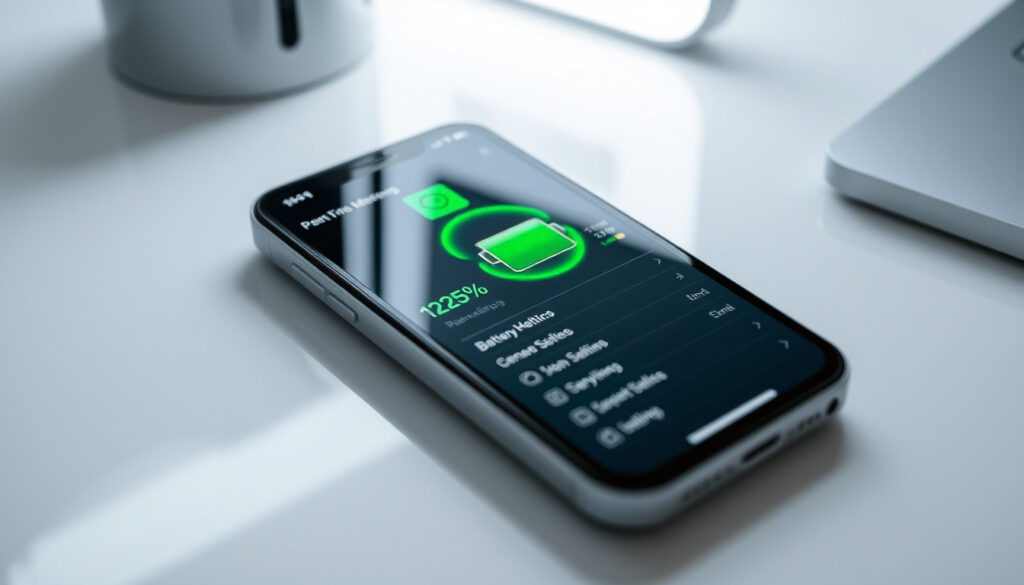
Battery Health Check iPhone – 2025 Step-by-Step Guide
How to Check iPhone Battery Health (2025 Guide)
Monitoring your iPhone’s battery health helps you understand its current capacity and plan for potential replacement. Apple provides built-in tools, but several other methods exist depending on your model and needs. This guide covers every viable approach, from official settings to third-party shortcuts.
Battery degradation is inevitable, but understanding the process lets you make informed decisions. Whether you need to check battery health for resale purposes, diagnose sudden shutdowns, or simply stay proactive, multiple tools are available. Some methods work natively on newer iPhones, while others require workarounds for older models.
This article walks through each option clearly, separating verified methods from widespread myths about online checks and IMEI lookups. Sources include Apple Support documentation, third-party tutorials, and hands-on testing details.
How to Check iPhone Battery Health Using Settings
Apple integrates battery health directly into iOS, making it the most accessible method for most users. The process varies slightly depending on your iPhone model and iOS version.
iPhone 11 and newer via Settings > Battery > Battery Health & Charging
Download from trusted sources like Payetteforward or iCloud galleries
Not officially supported by Apple; avoid unverified IMEI services
iPhone 13 Pro Max and newer models where native tools are most complete
Steps for iPhone 15 and Newer
Apple introduced native cycle count display starting with iPhone 15 series. Navigate to Settings > Battery > Battery Health & Charging. This screen shows both maximum capacity percentage and total cycle count. The cycle count represents complete charge cycles, where one cycle equals using 100% of the battery’s capacity, regardless of whether it happens in one session or multiple partial sessions.
Steps for iPhone 11 through iPhone 14
On these models, open Settings > Battery and tap Battery Health. The display shows Maximum Capacity as a percentage relative to when the phone was new. A capacity of 85% means your battery holds 85% of its original charge. Apple officially recommends replacement when capacity drops below 80%.
- Maximum Capacity above 80% indicates healthy battery performance
- Peak Performance Capability shows whether performance management is active
- Optimized Battery Charging reduces wear by learning your charging habits
- Cycle count is not shown natively on iPhone 14 and earlier models
- Last几位位完整 charge cycle count requires shortcuts on most models
- Health data updates automatically based on continuous analytics
- Apple Store diagnostic tools can verify these numbers with additional precision
| Method | Models | Data Shown | Pros | Cons |
|---|---|---|---|---|
| Settings | iPhone 11+ | Health %, Peak Performance | Official, reliable | No cycle count on older models |
| Settings (iPhone 15+) | iPhone 15 series | Health %, Cycle Count | Most complete native data | Limited to newer models |
| Shortcuts | All iOS 14+ devices | Cycle Count, Full Metrics | Detailed analytics access | Third-party method |
| Apple Store | All models | Full Diagnostic | Professional verification | Requires in-person visit |
Battery Health Check Using iPhone Shortcuts
For detailed battery analytics including cycle count on older iPhones, Siri Shortcuts offer a capable solution. These shortcuts read data from your iPhone’s local analytics logs, extracting information not shown in Settings.
Getting Started: Enable Analytics Access
Before using shortcuts, ensure analytics sharing is enabled on your device. Go to Settings > Privacy & Security > Analytics & Improvements > Analytics Data and verify that “Share iPhone Analytics” is turned on. Your iPhone must have recent usage to generate log files labeled “Analytics-[date].” Without these files, shortcuts cannot extract battery data.
Downloading and Running Battery Shortcuts
Popular shortcuts include Battery Stats and PowerUtil. Battery Stats is available via iCloud links from tutorial sites like Payetteforward. PowerUtil works on iOS 14 and later and can be installed directly through Safari from the RoutineHub shortcut repository. Once installed, open the Analytics Data section, locate a recent analytics file, tap the Share button, and select your shortcut from the share sheet.
The shortcut displays several key metrics. MaximumFCC represents your battery’s original capacity in milliampere-hours when it was new. NominalChargeCapacity shows what your battery can currently hold. The difference between these numbers reveals overall degradation.
- CycleCount displays total complete charge cycles since manufacture
- Health % is calculated as (NominalChargeCapacity ÷ MaximumFCC) × 100
- Avg Temperature in PowerUtil shows historical battery temperature readings
- Example output reads: “CycleCount: 250 cycles, Capacity: 85%”
If no analytics files appear, use your iPhone more actively for several hours, then check again. Toggling analytics off and on in Settings can also force new file generation. Analytics must remain enabled for shortcuts to function.
Can You Check iPhone Battery Health Online or by IMEI?
Many websites claim to check battery health using your iPhone’s IMEI number, but these services lack official support from Apple. The IMEI identifies device identity, not battery condition, making remote health assessment technically impossible through this method.
Why Online and IMEI Checks Don’t Work
Battery health data is stored locally on your device and is not transmitted to any external database. Apple does not maintain a public repository of iPhone battery health statistics tied to IMEI numbers. Services claiming otherwise typically collect personal data or deliver inaccurate results.
Avoid third-party websites and apps that advertise IMEI-based battery checks. These services cannot access iOS analytics and often use social engineering tactics. Always verify battery health through official Apple methods or trusted on-device shortcuts.
The only reliable remote option is contacting Apple Support directly with your device serial number, though they may require device activation or an in-store visit for full diagnostics. For professional verification, consider visiting an authorized service provider who can run official diagnostics.
Battery Health Check for iPhone 13 Pro Max and Other Models
The iPhone 13 Pro Max presents a common scenario: native Settings shows maximum capacity percentage but hides cycle count. This limitation affects all iPhone 13 models, iPhone 12 series, and earlier devices.
Workaround for iPhone 13 Series
The shortcut method described earlier works reliably on iPhone 13 Pro Max with iOS 16.2 and newer. Testing confirms functionality on iPhone 14 Pro Max as well. iOS 15.7 may produce errors on some devices; updating to a newer iOS version resolves these issues.
- iPhone 13 and 13 Mini: Shortcut method works with iOS 16+
- iPhone 13 Pro and Pro Max: Full analytics access via shortcuts
- iPhone 14 and newer: Native cycle count available in Settings
- iPhone 12 and earlier: Shortcuts provide the only cycle count option
A rough formula estimates battery degradation. For pre-iPhone 15 models, multiply cycle count by 20 and divide by 500 to get percentage lost. For iPhone 15 and newer, divide cycle count by 1000 instead. At 500 cycles, most batteries reach approximately 80% capacity.
How to Check iPhone Battery Health Without Activating
If your iPhone is new, used, or borrowed and not yet set up with your Apple ID, battery health options remain limited but not nonexistent. The built-in Settings method requires at least basic device setup to access iOS.
Alternatives for Unactivated Devices
Shortcuts require iOS and analytics to be enabled, which typically means completing initial device setup. However, a borrowed or pre-owned iPhone already set up by a previous owner can have shortcuts installed without logging into your own Apple ID, provided you have temporary access.
Apple Stores and authorized service providers can run diagnostics on unactivated devices if you bring proof of purchase. This official diagnostic process reveals cycle count, capacity, and overall battery condition. Apple provides detailed information about their battery service options on their official website.
Preventive Strategies
For devices you plan to purchase secondhand, ask the seller to check battery health before the sale. If purchasing online, review the seller’s return policy in case battery health is significantly degraded upon arrival.
Battery Degradation Timeline
Understanding typical degradation helps set realistic expectations. Battery health naturally declines with use, and Apple designs these components to retain about 80% capacity after 500 complete charge cycles under normal conditions.
- 0 cycles: Battery at 100% design capacity, optimal performance
- 100-200 cycles: Minimal capacity loss, typically 95-98% retained
- 300-400 cycles: Noticeable but minor degradation, around 90-93%
- 500 cycles: Apple’s replacement threshold, approximately 80% capacity
- 600-800 cycles: Performance management may activate on older iPhones
- 800+ cycles: Significant capacity loss, charging sessions become shorter
- 1000 cycles: Most batteries require replacement; capacity often below 70%
Apple rates batteries to retain 80% capacity after 500 cycles, meaning degradation beyond this point is considered normal wear rather than defects. Understanding this timeline helps you plan for eventual replacement while maximizing your device’s useful lifespan.
Official vs Unofficial Methods: What’s Reliable?
Distinguishing between verified and speculative methods helps avoid wasted effort or inaccurate information. The following comparison clarifies what users can reliably expect from each approach.
| Established Information | Information That Remains Unclear |
|---|---|
| Settings app shows accurate maximum capacity percentage | Online IMEI battery checks are technically unverified |
| Cycle count is accessible via shortcuts on iOS 16+ | Third-party apps claiming battery diagnostics accuracy varies widely |
| Apple officially recommends replacement below 80% capacity | Exact degradation rates depend heavily on individual usage patterns |
| Battery Stats and PowerUtil shortcuts extract real analytics data | Whether shortcuts remain supported in future iOS versions is uncertain |
| iPhone 15+ natively displays cycle count in Settings | Specific mAh capacity figures for each iPhone generation |
Understanding Battery Health Metrics and When to Replace
Battery health metrics serve practical purposes beyond curiosity. Monitoring these numbers helps you anticipate when replacement becomes necessary, plan device longevity, and make informed decisions about repairs versus upgrades.
Apple’s performance management system activates when battery capacity drops significantly, reducing maximum processor speed to prevent unexpected shutdowns. Users who disable this feature may experience rapid battery depletion or device instability during demanding tasks.
Replacement options include Apple Store visits, authorized service providers, and certified third-party services. Official battery replacement ensures proper installation and preserves water resistance seals. Third-party options may cost less but could void remaining warranty coverage or compromise device integrity. Apple’s warranty terms outline what coverage remains when using third-party service providers.
Key Sources and Quotes
“Check battery health on your iPhone 11 and later: Go to Settings > Battery > Battery Health & Charging. Here you can see the maximum capacity of your battery.”
— Apple Support Documentation
“Download our Battery Stats Shortcut to access cycle count and detailed battery analytics directly from your iPhone’s local files.”
— Payetteforward Tutorial
What to Do Next If Battery Health is Low
If your battery health falls below 80%, consider scheduling a replacement through Apple Support or an authorized service provider. Users on iOS 18 and newer can access replacement scheduling directly from the Battery Health screen. Apple offers convenient options for battery replacement booking through their official channels.
Regular charging habits also extend battery lifespan. Avoiding extreme heat, removing cases during charging, and using official or MFi-certified accessories all contribute to slower degradation over time.
For those interested in exploring related topics, the guide to How to Find Gradient – Step-by-Step Guide with Examples offers additional technical insights into iPhone analytics interpretation.
Frequently Asked Questions
Is there a secret code to check iPhone battery health?
No official code exists for accessing battery health. iPhones do not support USSD or SIM-based commands for battery diagnostics. Use the Settings app for official data or shortcuts for extended analytics.
How do I check battery health on iPhone 13 Pro Max specifically?
Open Settings > Battery > Battery Health for maximum capacity percentage. For cycle count, install a shortcut like Battery Stats or PowerUtil with iOS 16 or later.
Can I check battery health without a computer?
Yes. All on-device methods work independently. The Settings app and shortcuts both run directly on your iPhone without requiring a connected computer.
Do online battery check services actually work?
No. Apple does not provide any database that external services can query via IMEI or serial number. Online battery check services are either scams or provide fabricated results.
How often should I check my iPhone battery health?
Checking monthly is reasonable for users monitoring degradation. Annual checks suffice for casual monitoring. Frequent checking is unnecessary since battery health changes gradually over hundreds of cycles.
Does fast charging damage battery health?
Apple’s optimized charging and built-in safeguards minimize impact. Using official or certified chargers maintains safe charging speeds. Extensive fast charging over years may contribute marginally to degradation.
What happens when iPhone battery health reaches 0%?
Battery health percentage reflects capacity retention, not sudden failure. At very low percentages, your device may shut down unexpectedly and performance management activates. Replacement resolves these symptoms.
Can I replace just the battery or do I need a new iPhone?
Battery replacement is a standard service that extends device usability. Unless your iPhone has multiple hardware issues or is very old, replacement is typically more cost-effective than purchasing a new device.
More related posts
 Lion-Phillip S-REIT ETF: Yield, Holdings, and 2026 Outlook
 Morocco National Football Team: World Cup 2026, AFCON History, Rankings
 Macclesfield vs Crystal Palace Lineups: FA Cup Shock 2026
 WSQ Food Safety Course Level 1: Duration, Cost & Renewal
 Labubu Hide and Seek: Rarity, Fakes, and Value Guide
 Boeing 737-800 Safety: Crash History, Features, and Seat Guide
 Mount Elizabeth Novena Hospital Photos: Rooms, ICU & Facilities
 Happy Chinese New Year: Greetings, Meanings & 2026 Tips