What Is Bipolar Disorder? Symptoms, Causes, Types, and Treatment
Few conditions carry as many misconceptions as bipolar disorder. This brain condition affects 1–2% of the global population, causing dramatic shifts in mood and energy.
Global prevalence: 1–2% of the population ·
Average onset: 25 years ·
Lifetime suicide risk: 15–20% ·
Heritability: 80–90%
Quick snapshot
- Strong genetic link: heritability 80–90% (University of Utah Health (academic medical center))
- Stress and sleep disruption are common triggers (National Institute of Mental Health (U.S. government research agency))
- Lithium is a first-line mood stabilizer (NHS (U.K. national health service))
- Exact neurobiological mechanism is unknown (Cleveland Clinic (U.S. academic medical center))
- Why some respond to treatment and others don’t isn’t fully understood (National Institute of Mental Health) (Cleveland Clinic (U.S. academic medical center))
- Mood episodes typically last days to weeks (NHS) (NICE guidance via NHS Scotland (U.K. clinical guideline))
- Manic episodes must last ≥7 days for bipolar I diagnosis (NICE guidance via NHS Scotland (U.K. clinical guideline))
- Early detection and treatment improve outcomes (World Health Organization (global health authority))
- Ongoing research targets personalized therapies (National Institute of Mental Health) (World Health Organization (global health authority))
Five key numbers paint a clear picture of the condition’s scope and biology.
| Dimension | Value | Source |
|---|---|---|
| Prevalence | 1–2% of global population | World Health Organization |
| Age of onset | Average 25 years; can start in childhood or later | National Institute of Mental Health |
| Gender ratio | Equal rates in men and women | NHS |
| Heritability | 80–90% | University of Utah Health |
| Treatment response rate | ~80% achieve significant symptom reduction with proper treatment | Mayo Clinic (U.S. academic medical center) |
What are 5 signs of bipolar?
Clinical guidelines from the NHS (U.K. national health service) and the National Institute of Mental Health describe bipolar disorder through two distinct episode types.
Manic episode signs
- Elevated, euphoric, or irritable mood lasting at least one week (bipolar I).
- Increased energy and activity, often with decreased need for sleep (NHS).
- Racing thoughts and rapid speech (National Institute of Mental Health).
- Grandiose beliefs or unrealistic plans (Cleveland Clinic).
- Impulsive behavior such as reckless spending or risky decisions (NHS).
Depressive episode signs
- Persistent sadness, hopelessness, or emptiness (NHS).
- Loss of interest in previously enjoyed activities.
- Fatigue and low energy.
- Changes in appetite or sleep (too much or too little).
- Suicidal thoughts or behaviors — a medical emergency (National Institute of Mental Health).
The combination of mania and depression means a person can swing from high-risk impulsivity to deep withdrawal within weeks. For family and friends, recognizing these polar opposites early is the difference between intervention and crisis.
The pattern: Bipolar isn’t one single mood — it’s a spectrum of episode types, and each requires a different response. The earlier the signs are caught, the faster treatment can begin.
What triggers a bipolar episode?
Triggers don’t cause the disorder, but they can push the brain into an episode. The National Institute of Mental Health (U.S. government research agency) and the Cleveland Clinic (U.S. academic medical center) highlight several common catalysts.
- Stress: Major life events — job loss, relationship breakdown, financial trouble — often precede episodes.
- Sleep disruption: Even a few nights of poor sleep can trigger mania in vulnerable individuals (NHS).
- Substance use: Alcohol, cannabis, and stimulants can destabilize mood.
- Medication changes: Antidepressants alone may trigger a manic switch in people with bipolar predisposition (National Institute of Mental Health).
- Seasonal and circadian shifts: Changes in daylight hours can influence episode timing (University of Utah Health).
Many people don’t realize that antidepressants prescribed for depression can unmask bipolar disorder. If mood swings appear after starting an antidepressant, it’s a red flag that the underlying condition may be bipolar, not unipolar depression.
The catch: Triggers are individual. What destabilizes one person may not affect another. Tracking personal patterns is a core self-management skill taught in therapy.
At what age does bipolar start?
Onset typically hits in the late teens to early twenties. Research from the National Institute of Mental Health and Mayo Clinic (U.S. academic medical center) outlines key age-related patterns.
- Average age of first episode: 25 years (NHS).
- Bipolar I tends to be diagnosed earlier than bipolar II.
- Childhood onset is possible but diagnosis is difficult because symptoms overlap with ADHD and other conditions (Cleveland Clinic).
- Late‑onset bipolar (after age 50) is rarer and may be linked to medical conditions such as stroke (University of Utah Health).
Why this matters: The window of highest risk coincides with major life transitions — college, first jobs, relationships. A first manic episode during these years can derail long-term plans. Early detection during this period can change a person’s entire trajectory.
What is a bipolar person like?
Stereotypes often paint a single picture, but behavior shifts dramatically depending on the phase. The NHS and National Institute of Mental Health describe three distinct states.
Behavior during mania
- Euphoric, talkative, and overly friendly — or irritable and aggressive (NHS).
- Rapid, pressured speech that jumps topics.
- Grandiose plans: starting business ventures, traveling impulsively.
- Reduced need for sleep without feeling tired.
Behavior during depression
- Withdrawn, tearful, and low-energy.
- Loss of interest in socializing, hobbies, or work.
- Feelings of worthlessness and hopelessness (National Institute of Mental Health).
- Suicidal thoughts — requires immediate medical attention.
Between episodes
- With effective treatment, many people are stable and high-functioning (Mayo Clinic).
- Mood can be euthymic (normal) for months or years.
- Not all people experience rapid cycling; functioning varies widely.
The trade-off: The same drive that fuels manic productivity can also lead to devastating crashes. Knowing the difference between healthy ambition and hypomania is a skill that even clinicians find challenging.
What causes bipolar disorder?
The exact cause is unknown, but evidence points to a blend of genetics, brain chemistry, and environment. The University of Utah Health (academic medical center) and the National Institute of Mental Health lay out the key factors.
Genetic factors
- Heritability estimated at 80–90% — one of the highest among psychiatric conditions (University of Utah Health).
- Having a parent with bipolar raises risk, but is not deterministic.
Brain chemistry and structure
- Imbalances in neurotransmitters — dopamine and serotonin — are implicated (National Institute of Mental Health).
- Brain imaging shows differences in prefrontal cortex and amygdala structure in some individuals (Mayo Clinic).
Environmental triggers
- Stressful life events can activate episodes in genetically predisposed people (Cleveland Clinic).
- Childhood trauma may increase risk.
- No single environmental cause has been identified (University of Utah Health).
Bipolar is not a character flaw or a sign of weakness. It is a brain disorder with a strong biological root. For people carrying the genetic vulnerability, it’s not a question of “if” triggers will hit, but “when” — and how well the support system is prepared.
What this means: Research hasn’t found a cure, but it has identified points of intervention. Knowing your family history and personal triggers can give you a head start in managing the condition.
What are the 7 types of bipolar disorder?
The University of Utah Health (academic medical center) and the NHS describe the main DSM-5 classifications. While often grouped into “7 types,” the core categories are bipolar I, bipolar II, cyclothymia, and related presentations.
- Bipolar I: At least one manic episode lasting ≥7 days or requiring hospitalization. Depressive episodes are common but not required for diagnosis (NICE guidance).
- Bipolar II: Hypomanic episodes (milder, ≥4 days) plus major depressive episodes. No full mania (University of Utah Health).
- Cyclothymia: Chronic fluctuation between hypomanic and depressive symptoms for at least 2 years, but never meeting full criteria for a major episode (NHS).
- Other specified bipolar: Triggered by substances, medications, or medical conditions (e.g., stroke, thyroid disease). Symptoms mimic bipolar but have a clear physical cause (University of Utah Health).
Some sources also list rapid cycling (≥4 episodes per year) and mixed episodes as specifiers rather than standalone types. The “7 types” often used in patient education expand these categories, but the core diagnostic model rests on the three above plus specifiers.
The implication: Bipolar II and cyclothymia are frequently misdiagnosed as unipolar depression because hypomania feels productive, not pathological. If you’ve had antidepressants trigger a high, ask your doctor about bipolar II.
What’s confirmed and what’s still unclear
Confirmed facts
- Bipolar disorder has a strong genetic basis (University of Utah Health).
- Stress and sleep disruption are common triggers (National Institute of Mental Health).
- Lithium is an effective first-line mood stabilizer (NHS).
- Bipolar I is defined by at least one manic episode (NICE guidance).
What’s still unclear
- The exact neurobiological mechanism remains unknown (Cleveland Clinic).
- Why some individuals respond to treatment while others do not is not fully understood (National Institute of Mental Health).
- The specific role of environmental factors beyond broad triggers is still being investigated (University of Utah Health).
- Why some people with genetic predisposition develop the disorder while others do not is not understood (University of Utah Health).
- The exact contribution of childhood trauma as a risk factor is still being studied (Cleveland Clinic).
The core: A solid foundation of known facts supports ongoing research into remaining unknowns.
Expert perspectives
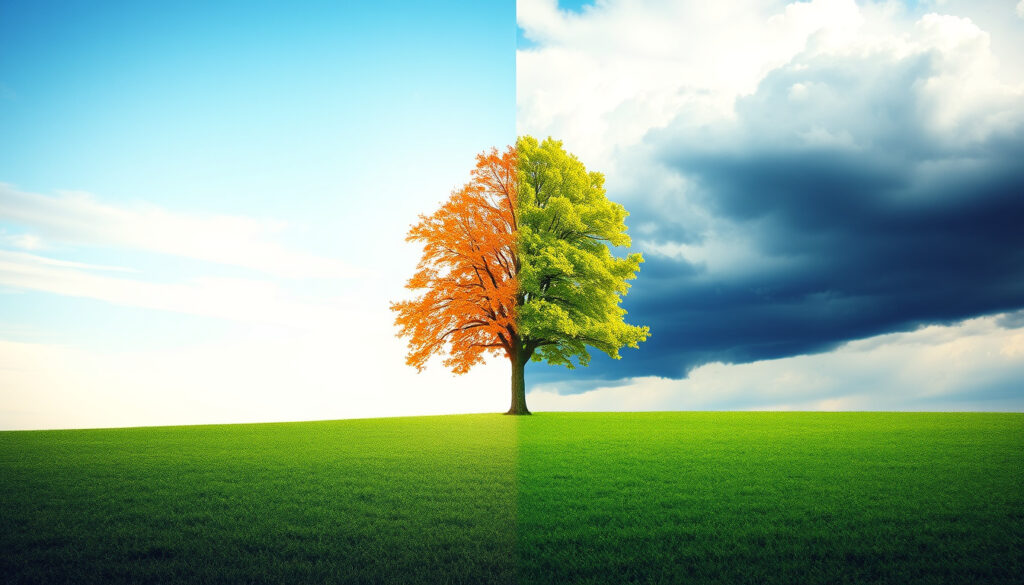
Bipolar disorder is a mental health condition characterized by mood swings from one extreme to another.
— World Health Organization (global health authority)
Bipolar disorder, formerly called manic depression, is a mental health condition that causes extreme mood swings that include emotional highs (mania or hypomania) and lows (depression).
— Mayo Clinic (U.S. academic medical center)
The consensus: Both definitions emphasize the core pattern of extreme mood shifts that define bipolar disorder.
Summary
Bipolar disorder is not a rare, mysterious illness — it’s a common brain condition affecting millions worldwide. With proper diagnosis and treatment, about 80% of patients experience significant symptom relief, but the path requires patience and teamwork between patient, family, and clinicians. For anyone who suspects they or a loved one may be showing early signs, the next step is clear: reach out to a mental health professional for a full evaluation, because catching it early changes everything.
ghc.nhs.uk, medicalnewstoday.com, sheppardpratt.org, nimh.nih.gov, frimley-healthiertogether.nhs.uk
Frequently asked questions
What is the first red flag of bipolar?
A marked change in sleep patterns — going days with little sleep yet feeling full of energy — is often one of the earliest and most noticeable warning signs, according to the NHS.
What is the 48 hour rule for bipolar people?
The 48-hour rule is a self-management strategy: if you feel a mood shift coming, wait 48 hours before making any major decisions or acting on impulses. This pause allows time to assess whether the feeling is a temporary high or low, and to consult a doctor if needed.
How do bipolar people act when angry?
Irritability can be a symptom of mania or mixed episodes. A person may lash out, become verbally aggressive, or seem easily provoked. The NHS lists irritability and aggression as possible manic symptoms. It’s often not personal — it’s the illness amplifying emotional responses.
What not to say to someone with bipolar?
Avoid minimizing their experience: “It’s all in your head,” “Just cheer up,” or “You’re just being dramatic.” These dismiss the real biological nature of the condition. Instead, offer support without judgment and encourage professional treatment.
How does a person with bipolar think?
Thinking patterns vary by phase. During mania, thoughts race, jump between ideas, and may become grandiose. During depression, thinking slows, becomes pessimistic, and may loop on feelings of worthlessness. Between episodes, thinking can return to normal with treatment.
Is bipolar disorder curable?
There is no cure, but it is highly treatable. The World Health Organization notes that with appropriate medication and psychosocial support, most people can achieve long-term stability and a good quality of life.
More related posts
 SGD to MYR Rate Today: Current Rate & Best Ways to Convert
 Cheap Photocopier (Máy Photo Giá Rẻ) 2025: Prices & Guide
 The Food Peeps Coffee and Deli Menu: Prices & Reviews
 OPPO Service Center Singapore: Locations, Contacts, Hours
 Starbucks 1 for 1 Singapore: Deals, Dates & Redemption
 Singapore MRT Line Map: PDF Download, 2026 Plans & Apps
 What Is Gen Z? Age Range, Definition, and Key Differences
 Best English Tuition Singapore: Compare Top Centres & Costs