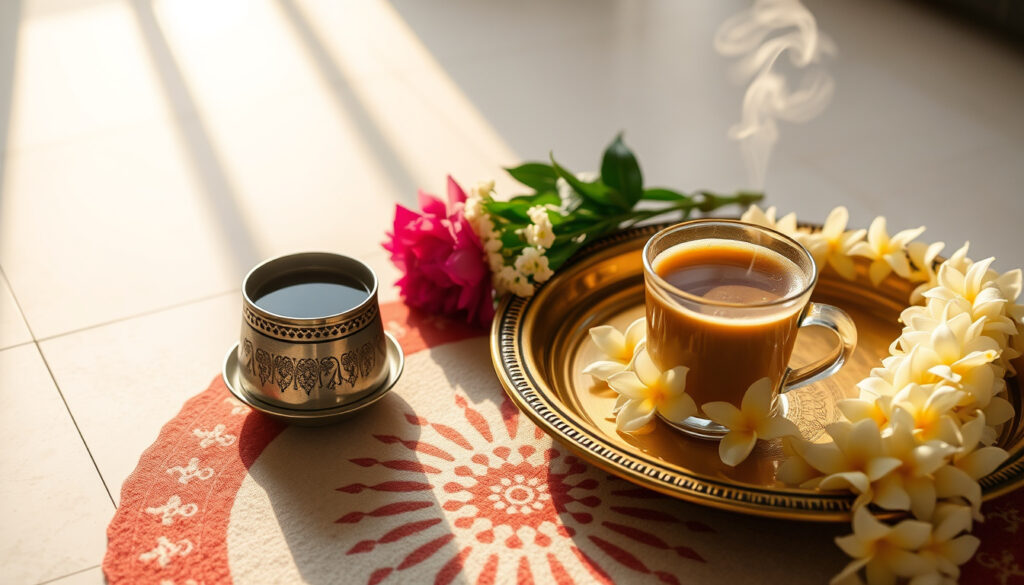
காலை வணக்கம்: Tamil Good Morning Wishes & Cultural Guide
Few things start the day quite like a warm “good morning” — but in Tamil, the greeting *காலை வணக்கம்* carries layers of respect, warmth, and cultural history that go far beyond two words. Whether you’re learning Tamil, looking for the perfect message to send a friend, or curious about the etiquette behind the phrase, this guide walks you through its meaning, popular variations, and where to find the best content online.
Tamil speakers worldwide: ~78 million ·
Classical language status year: 2004 ·
Tamil script character count: 247
Quick snapshot
- ‘காலை வணக்கம்’ translates literally to ‘morning greeting’ (Preply language learning blog)
- Tamil has 247 characters in its script (Wikipedia – Tamil script)
- Tamil is a classical language since 2004 (Wikipedia – Classical Languages of India)
- Exact post count on ShareChat for ‘wishes-tamil-91’ is not public (ShareChat topic page)
- Origins of pairing morning greetings with specific imagery are anecdotal (ShareChat topic page)
- Effectiveness of different messages across relationships lacks formal study (ShareChat topic page)
- Morning greetings in Tamil literature date back to Sangam poems (300 BCE – 300 CE) (Wikipedia – Sangam literature)
- Digital sharing of Tamil good morning images surged with WhatsApp and ShareChat from 2015 onward (Wikipedia – Sangam literature)
- More platforms like Instagram Reels and YouTube Shorts are driving video-based Tamil greetings
- Growing number of Tamil diaspora users seek relationship-specific good morning content
Four key attributes of Tamil that shape its greeting system stand out.
| Attribute | Value |
|---|---|
| Language family | Dravidian (Wikipedia – Tamil language) |
| Script | Tamil |
| Number of letters | 247 |
| Official status | India, Sri Lanka, Singapore |
What Does ‘காலை வணக்கம்’ Mean and How Is It Used?
Literal translation and pronunciation
“காலை வணக்கம்” (Kaalai Vanakkam) breaks into two parts: Kaalai meaning “morning” and Vanakkam, a respectful greeting that translates roughly as “I bow to you.” According to Preply (language learning resource), the phrase is the standard way to say “good morning” in Tamil. It is pronounced kaa-lai va-nak-kam, with the emphasis on the first syllable of each word. In Tamil script it is written as காலை வணக்கம், and it is used from sunrise through the early part of the day.
For learners, knowing the literal structure helps avoid confusion: Vanakkam alone can mean both “hello” and “goodbye” in many contexts. Adding “Kaalai” anchors it to the morning, making the intention unmistakable.
Common contexts: family, friends, social media
In Tamil Nadu and Sri Lanka, the greeting is used in person, over the phone, and increasingly in digital messages. Preply notes that the accompanying gesture — hands pressed together near the chest with a slight nod — is part of the etiquette. Among family members, a simple “Kaalai Vanakkam” suffices. With friends, it often appears in shortened forms or paired with affectionate words like “anbana” (loving). On social media, the greeting is frequently attached to sunrise images or inspirational quotes. According to Creative Spectrum Education (YouTube tutorial), learner demand for Tamil good morning phrases remains steady, with dedicated video lessons teaching the pronunciation.
The implication: “Kaalai Vanakkam” is not a rigid liturgical phrase but a flexible social tool — its warmth is adjusted by word choice and gesture, not by the phrase itself.
What Are the Most Popular Tamil Good Morning Wishes?
Romantic wishes for a partner
On platforms like ShareChat and Pinterest, “காதல் காலை வணக்கம்” (kaadhal kaalai vanakkam — love morning greeting) appears as a popular variant. Another common romantic line is “அன்பான இனிய காலை வணக்கம்” (anbana iniya kaalai vanakkam — loving sweet morning greeting). ShareChat data for the topic ‘wishes-tamil-91’ shows over 130,000 views, with heart emojis and couple imagery dominating the posts (ShareChat topic ‘wishes-tamil-91’).
Inspirational quotes for friends
Short one-liners work best for WhatsApp status. A typical example: “மகிழ்ச்சி காலை வணக்கம்” (magizhchi kaalai vanakkam — happy morning greeting). According to Pinterest board ’10 காலை வணக்கம் உறவுகளே’, motivational Tamil good morning quotes are often paired with sunrise landscapes and calligraphy. Many users copy these into their status without modification.
Religious blessings with divine references
For those who prefer a spiritual tone, wishes include references to Hindu deities. “இறைவனின் அருள் பொழியும் இந்த காலையில் உங்களுக்கு காலை வணக்கம்” (on this morning blessed by God, good morning to you) is a common pattern. eSamskriti (cultural guide) points out that morning greetings in Tamil culture are often combined with auspicious symbols like lamps or flowers, reinforcing the connection between spirituality and hospitality.
While romantic and religious variants are abundant, secular motivational wishes are less common. The thematic gap means someone looking for a neutral, professional good morning message may need to adapt these templates themselves.
The pattern across all three categories: the base greeting stays the same, while adjectives (anbana, magizhchi, kaadhal) shift the tone. No specialized vocabulary is needed beyond the phrase itself.
Where Can You Find Tamil Good Morning Images and Status?
ShareChat – the biggest collection of user-generated posts
ShareChat hosts a dedicated hashtag ‘wishes-tamil-91’ that aggregates thousands of good morning images, videos, and texts. As of early 2025, the topic has surpassed 130,000 views (ShareChat). Posts are user-submitted, so quality varies, but the volume ensures fresh content daily. Download is possible within the app, though direct web downloads are limited.
Pinterest – curated boards with themed collections
Pinterest boards such as “10 காலை வணக்கம் உறவுகளே” offer hand-picked Tamil good morning quotes. A search for “Tamil good morning” yields dozens of boards with thousands of pins. Many are static images, but some link back to blogs or YouTube videos. Pinterest search results show that the most popular pins feature floral or abstract backgrounds with calligraphic Tamil text.
CraftoApp – curated message database
CraftoApp, available on Android and iOS, includes a “Good Morning Messages” section specifically for Tamil. Unlike user-generated platforms, CraftoApp curates each message, reducing the risk of grammatical errors. According to its app store description, the section contains over 500 Tamil good morning messages organized by relationship: friends, family, lover, and boss (CraftoApp on Google Play).
What this means: If you want quantity and variety, ShareChat is your source. If you prefer curated, error-checked messages, CraftoApp is safer. Pinterest sits in between — visual but not always accurate.
How to Choose the Right Tamil Good Morning Message for Different Relationships?
Formal vs informal wording
Elders and authority figures expect the unadorned “காலை வணக்கம்” without added adjectives like “loving” or “sweet.” Tamil greetings reflect a strong cultural emphasis on respect, and adding informal modifiers can come across as overly familiar. For a boss or teacher, the simple phrase plus the traditional gesture (anjali mudra) conveys the right level of deference.
Religious vs secular content
If you know the recipient’s religious inclination, adding a divine reference can make the wish more personal. For secular recipients, stick to nature- or positivity-themed wishes. eSamskriti (cultural guide) explains that morning greetings are historically tied to Hindu traditions like temple visits, but contemporary usage has diversified.
Length and format
Short one-liners (5–10 words) work best for WhatsApp status, where the character limit and quick-scroll behavior favor brevity. Longer wishes (2–4 sentences) are better for Facebook posts or personal messages. Images and videos perform well on ShareChat and Instagram. According to Preply, modern Tamil learning materials differentiate between formal and casual greetings, confirming that relationship and context matter.
Follow these steps to select the perfect greeting:
- Identify the recipient: A boss or elder requires the formal, unadorned “காலை வணக்கம்”. A close friend or partner can receive an expanded version with adjectives like “anbana” (loving) or “magizhchi” (happy).
- Choose the tone: If the recipient is religious, incorporate a divine reference or a blessing. For secular contexts, stick to positivity, nature themes, or inspirational quotes.
- Pick the format: Use short 5–10 word one-liners for WhatsApp status to ensure quick readability. Opt for longer 2–4 sentence wishes for personal Facebook posts or direct messages.
What Is the Cultural Significance of Morning Greetings in Tamil Nadu?
Role of morning rituals
In Tamil culture, the morning is considered an auspicious time. Traditional hospitality (vandhabisan) includes greeting guests with a warm “Vanakkam” and offering water or flowers. eSamskriti notes that the greeting gesture itself — hands pressed together — originally signified that the greeter has no weapons and comes in peace. Over time, this became a daily norm rather than a defensive posture.
Connection to Hindu traditions
Many Tamil households begin the day with a prayer or lamp-lighting, and the morning greeting often follows. Preply points out that greetings are not merely words but are accompanied by tone and gesture. Tamil literature, particularly Sangam poems, mentions greetings at dawn, embedding the practice in a literary tradition that is over 2,000 years old.
Why this matters: The morning greeting is more than a pleasantry — it is a social ritual that reinforces community bonds and respect for elders. For learners, understanding this context transforms the phrase from a translation exercise into a genuine cultural practice.
What’s Confirmed and What’s Not
Confirmed facts
- ‘காலை வணக்கம்’ is the direct Tamil equivalent of ‘good morning’ (Preply)
- Tamil was granted classical language status in 2004 (Wikipedia)
- The Tamil script uses 247 characters (Wikipedia)
What’s unclear
- Exact number of Tamil good morning posts on ShareChat is not publicly disclosed
- Cultural origins of pairing specific imagery (e.g., sunrise with flowers) with morning greetings are speculative
- Effectiveness of different message styles across relationships is based on anecdotal evidence, not research
- ShareChat hosts a large collection of Tamil good morning posts, with topic ‘wishes-tamil-91’ exceeding 130,000 views (ShareChat)
“Vanakkam is widely used in Tamil for both greeting and farewell, functioning similarly to ‘hello’ and ‘goodbye’ in many contexts.”
— Preply (language learning resource)
“Morning greetings in Tamil culture are often combined with auspicious symbols like lamps or flowers, reinforcing the connection between spirituality and hospitality.”
— eSamskriti (cultural guide)
The journey from a simple “Kaalai Vanakkam” to a meaningful cultural exchange depends on understanding when to add warmth and when to keep it simple. For anyone wanting to send a warm Tamil good morning message, the best approach is to match the greeting to the relationship and context — or risk coming across as awkward.
Frequently asked questions
Is ‘காலை வணக்கம்’ used in formal writing?
Can I use ‘காலை வணக்கம்’ in the evening?
What is the best Tamil good morning caption for Instagram?
How do you respond to ‘காலை வணக்கம்’?
Are there gender-specific Tamil good morning greetings?
What are some Tamil good morning wishes for a boss?
How to say ‘good morning my love’ in Tamil?
Does ShareChat allow downloading Tamil good morning videos?
More related posts
 Best Time to Visit Phuket 2026 – Weather, Costs & Crowds
 S&P 500 Index Fund: Best Funds, Returns, Tax Guide for Ireland
 Love Bonito Warehouse Sale 2026: Dates, Discounts & Shopping Tips
 What Is Bipolar Disorder? Symptoms, Causes, Types, and Treatment
 Adopt Me Trading Values 2026: Best Websites & Calculators
 Convert AUD to SGD: Live Rate, Forecast & Costs (2025)
 How to Fix Netflix Buffering on TV: Step-by-Step Guide
 Cast of Workin’ Moms: Actors, Characters & Facts