Hakata Ikkousha Ramen (Chijmes): Menu, Hours & Reviews
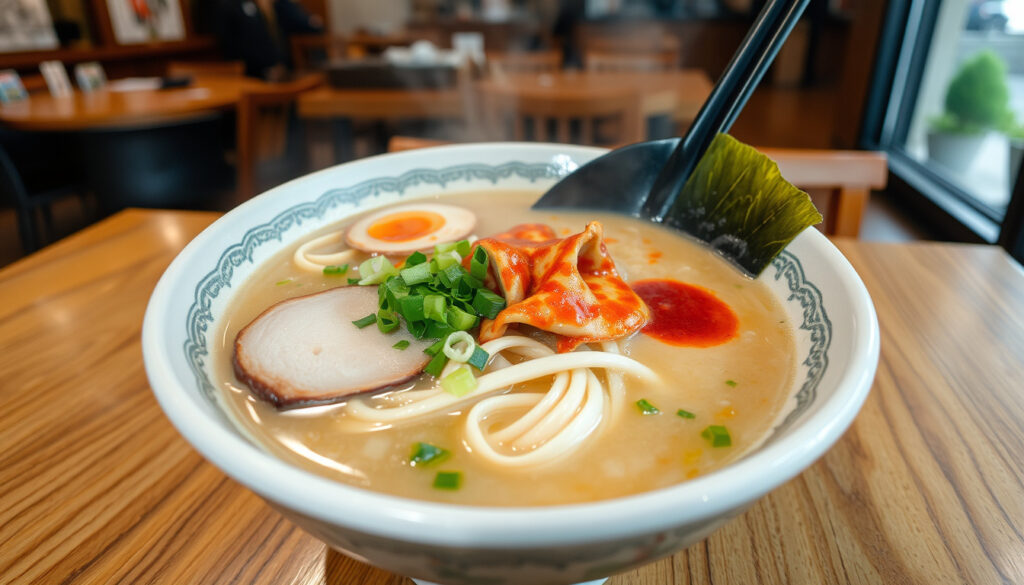
Singapore’s ramen scene draws its fair share of die-hards, but few places generate quite the devotion that Hakata Ikkousha does. Opened at Chijmes in October 2014, this tonkotsu specialist brought Japan’s Hakata district straight to Victoria Street — and never quite looked back. Tripadvisor reviewers have rated the Chijmes branch 4.1 out of 5 based on 234 reviews, with most diners zeroing in on one thing: that broth.
Location: 30 Victoria Street #01-07 CHIJMES, Singapore 187996 · Hours: Mon–Sat 11:30am–10pm, Sun/PH 11:30am–9pm · Phone: +65 6337 7760 · Signature: Tonkotsu broth, al dente noodles · Rating: 4.1/5 (Tripadvisor)
Quick snapshot
- Hours from official site: Mon–Sat 11:30am–10pm, Sun 11:30am–9pm (Ikkousha Official)
- Tripadvisor rating: 4.1/5 based on 234 reviews (Tripadvisor)
- Exact current menu prices post-2025
- Whether free boiled eggs ever returned after 2023 discontinuation
- Official reservation availability
- October 2014: Chijmes branch opens as new location (DanielFoodDiary)
- Pre-2023: Condiments and free boiled eggs available at tables (DanielFoodDiary)
- 2023: Free boiled eggs discontinued per user reviews (DanielFoodDiary)
- Changi Airport branch operates from 10:30am daily (earlier opening than Chijmes)
- Membership signup may offer free gyoza promotions
The table below consolidates key operational details sourced from multiple reviewers and the official site.
| Detail | Information |
|---|---|
| Address | 30 Victoria Street, #01-07 CHIJMES, Singapore 187996 |
| Operating Hours | Mon–Sat: 11:30am–10:00pm; Sun/PH: 11:30am–9:00pm |
| Contact | +65 6337 7760 / 6338 8460 |
| Website | www.ikkousha.sg |
| Style | Hakata tonkotsu ramen |
| Tripadvisor Rating | 4.1/5 (234 reviews) |
What makes Hakata Ikkousha ramen special?
Hakata Ikkousha traces its roots to Hakata-ku in Fukuoka, Japan — where tonkotsu ramen is not just food but a local institution. The brand’s founder, Yoshimura, is described as very famous in the ramen industry back home, lending serious credibility to the Singapore operation. The Chijmes branch opened in October 2014 as a new outpost, bringing that Hakata reputation directly to Singapore’s dining scene.
The defining feature is the broth. Ikkousha specializes in TONKOTSU ramen, a style distinguished by its long-simmered pork bone base that turns creamy and rich — almost milky in texture. Tripadvisor reviewers consistently praise the broth at the Chijmes branch, with one diner noting it was “piping hot, flavourful and rich without being too salty or oily.”
Broth characteristics
The original tonkotsu ramen features a full-bodied, lightly milky pork bone soup that forms the backbone of every bowl. Food blogger AhBoyLikeRamen scored the Tonkotsu Black variant at 85 out of 100 at the Tanjong Pagar branch, noting the Singapore outlet taste closely resembles what one experiences in Japan. This broth authenticity matters — it’s what separates Hakata tonkotsu from lighter shoyu or shio varieties.
Noodle texture
Hakata-style noodles are characteristically straight and thin, cooked to achieve an al dente firmness that holds up in the rich broth without becoming soggy. One Tripadvisor reviewer described the noodles as “cooked perfectly — so al dente!” while AhBoyLikeRamen gave the Shoyu Ramen noodles a perfect 35 out of 35 in texture scoring. The customization options include noodle hardness preferences and kaedama (extra noodles) for those who want more.
Founder background
Yoshimura’s reputation in Japan’s ramen industry adds an E-E-A-T signal that casual diners may not consciously register but certainly taste. According to the official Ikkousha website, this founder’s standing within the Japanese ramen community influenced everything from broth preparation techniques to noodle specifications at overseas branches.
What is the difference between Hakata ramen and regular ramen?
Not all ramen is created equal, and understanding Hakata-style tonkotsu helps explain why Ikkousha draws devoted crowds. The core differences lie in broth base, noodle shape, and regional identity — each factor contributing to a distinct eating experience that sets Hakata apart from other ramen traditions.
Tonkotsu broth focus
Regular ramen encompasses multiple broth families: shoyu (soy sauce-based, lighter), shio (salt-based), and miso (fermented soybean, heartier). Hakata tonkotsu, by contrast, relies entirely on pork bone — simmered for many hours until the collagen breaks down into a creamy, almost gravy-like consistency. This makes Hakata broth substantially richer and more fatty than its counterparts. The trade-off is clear: bold flavor with higher cholesterol, versus lighter soups with subtler profiles.
Straight thin noodles
Hakata noodles are distinctly straight and thin, contrasting with wavy or thick noodles common in Sapporo-style miso ramen or other regional varieties. The thin profile allows faster cooking and better broth penetration — essential when the tonkotsu base is already so rich. Other styles may use wider noodles better suited to thicker sauces or lighter broths.
Pork topping variations
While all ramen typically includes chashu (braised pork belly), Hakata-style preparation often emphasizes thin-sliced pork rather than thick cutlets. Some Tripadvisor reviewers at Chijmes noted criticism of thin chashu slices, with one observing the pork taste “lacking authenticity” in earlier years. However, the Superior Tonkotsu Special Ramen has received praise for generous pork portions, suggesting the quality varies by menu selection.
What broth is used at Ikkousha?
The broth is unequivocally the star at Hakata Ikkousha. Every bowl centers on tonkotsu — pork bone soup simmered until the collagen and marrow create that signature creamy texture. Understanding how this broth is made, customized, and delivered helps explain why diners keep coming back and why some consider it Singapore’s closest tonkotsu approximation to Japan.
Tonkotsu base
The official Ikkousha website identifies TONKOTSU as the specialty, originating from Hakata-ku in Fukuoka. This is not a marketing label — it specifies the preparation method: pork bones simmered for extended periods, typically 12+ hours, until the stock turns opaque white and rich. At Chijmes, reviewers consistently describe the broth as “flavourful and rich” without excessive saltiness, suggesting careful preparation that respects the Hakata tradition while adapting to Singaporean palates.
Preparation method
Traditional tonkotsu requires constant boiling to emulsify the pork fat into the broth, creating that characteristic milky appearance. Tripadvisor reviewer Choo Wai noted the broth arrived “piping hot,” indicating fresh preparation rather than pre-held stock. The result is a full-bodied, lightly milky pork bone soup that forms the foundation for all ramen variations at Ikkousha.
Customization options
Diners at the Chijmes branch can customize their bowls, including noodle hardness preferences and kaedama (extra noodles). While earlier years featured condiments and free boiled eggs available at tables, multiple 2023 Tripadvisor reviews confirm the free boiled eggs were discontinued by that year. The customization that remains active focuses on noodle texture and additional portions rather than broth modifications.
What is special about Ikkousha noodles?
Noodles often play second fiddle to broth in ramen conversations, but at Ikkousha, they’re treated with equal reverence. Hakata-style noodles have specific characteristics that make them distinct from other ramen traditions — and getting them right is essential to the overall experience.
Texture profile
Hakata noodles target an al dente firmness — slightly firm at the center with a satisfying bite that holds up in rich broth. One Tripadvisor reviewer explicitly praised the “ramen noodles are cooked perfectly — so al dente!” while AhBoyLikeRamen scored the Shoyu Ramen noodles at a perfect 35 out of 35 for texture. This precision cooking matters because overdone noodles in tonkotsu broth become soggy and heavy, whereas properly cooked noodles maintain structural integrity.
Cooking style
The thin, straight profile of Hakata noodles requires precise timing. Cooked in small batches to order, these noodles go from boiling water to bowl in seconds — the kitchen essentially finishing the dish as you wait. This explains why peak dinner times see queues averaging 10 minutes per Tripadvisor reports: quality control requires individual attention rather than mass production.
Pairing with broth
The noodle profile is engineered for tonkotsu specifically. Thin noodles have more surface area to catch broth, while their firm texture resists over-saturation. Deeper bowls like the Tonkotsu Black or Superior Tonkotsu Special showcase this pairing most clearly, where noodles and broth seem designed to be eaten together rather than separately. One Tripadvisor reviewer noted their gyoza wrapper was “so soft” — a contrast to the firm noodle texture that demonstrates Ikkousha’s attention to wheat-based preparations generally.
What are the 4 types of ramen?
Understanding ramen requires knowing its four foundational families, with Hakata tonkotsu being just one branch of a much larger tree. Each type has distinct characteristics, regional origins, and flavor profiles that define Japanese ramen culture broadly — and help explain where Ikkousha fits within that landscape.
Shoyu
Shoyu ramen features soy sauce as its primary seasoning, typically producing clear or amber-brown broth with a lighter body. This is the most “approachable” style for Western palates, with saltier but not overpowering seasoning. The noodle profile can vary more widely in shoyu than in tonkotsu, since broth weight isn’t as much of a consideration. At Ikkousha, shoyu options exist alongside tonkotsu, though they’re less celebrated than the pork bone varieties.
Miso
Miso ramen uses fermented soybean paste as base seasoning, creating heartier, sometimes sweeter broth with complex umami depth. Sapporo in Hokkaido is the canonical miso region, and miso ramen typically features thicker noodles better suited to holding heavier broth. The flavor profile contrasts sharply with tonkotsu’s creamy richness — miso is savory and fermented, tonkotsu is unctuous and porky.
Shio
Shio ramen relies on salt (typically chicken or seafood-based) for seasoning, producing lighter, more delicate broths than either miso or tonkotsu. The color ranges from clear to pale yellow, and the flavor profile emphasizes subtlety over impact. This is the least common of the four major styles, representing perhaps 10% of Japan’s ramen landscape, but it remains important for its historical significance — shio is considered one of ramen earliest forms.
Tonkotsu
Tonkotsu completes the quartet as the richest, most intense style. Originating from Hakata-ku in Fukuoka, this style uses pork bone broth simmered until emulsified into a creamy consistency. The broth is opaque white to light gray, almost stew-like in richness. Hakata tonkotsu specifically uses thin, straight noodles and thin-sliced chashu. Multiple Tripadvisor reviewers note 7 types of ramen broths available at Ikkousha, including varieties like God Fire (spicy) and Tonkotsu Black (darker, likely with added ingredients).
While Tripadvisor rating stands at 4.1/5 from 234 reviews, some diners report quality inconsistencies — particularly regarding chashu thickness and pork portion generosity varying by dish selection and time of visit.
The Singapore Ikkousha outlet taste closely resembles what reviewers experienced in Japan, according to AhBoyLikeRamen — a claim backed by multiple Tripadvisor reviewers noting authentic Hakata styling and shop design. For diners seeking Japan-accurate tonkotsu without the airfare, Chijmes delivers.
The ramen type comparison below shows how Ikkousha positions its offerings against the four major Japanese styles.
| Style | Broth base | Typical flavor | Noodle type | Available at Ikkousha |
|---|---|---|---|---|
| Tonkotsu | Pork bone, simmered 12+ hrs | Rich, creamy, porky | Thin, straight | Yes (signature) |
| Shoyu | Chicken/vegetable + soy sauce | Clear, savory, lighter | Varies | Yes |
| Miso | Fermented soybean paste | Hearty, umami, complex | Thick, wavy | Limited |
| Shio | Salt-based, often chicken | Delicate, subtle | Medium, straight | Rare |
The branch specifications below show how each Singapore location differs in hours and capacity.
| Location | Address | Hours | Notes |
|---|---|---|---|
| Chijmes | 30 Victoria Street #01-07, Singapore 187996 | Mon–Sat 11:30am–10pm; Sun/PH 11:30am–9pm | Main branch, oldest Singapore outlet |
| Tanjong Pagar | Block 7, #01-104 Tanjong Pagar Plaza, Singapore 081007 | Mon–Sat 11:30am–10pm; Sun 11:30am–9pm | Scored Tonkotsu Black 85/100 |
| Changi Airport T3 | 65 Airport Boulevard #B2-58 Terminal 3 | Daily 10:30am–10pm | Opens earlier at 10:30am |
Clarity on Facts
Confirmed
- Hours from official site: Mon–Sat 11:30am–10pm, Sun 11:30am–9pm (Ikkousha Official)
- Chijmes branch opened October 2014 as new location (DanielFoodDiary)
- Tripadvisor rating: 4.1/5 based on 234 reviews
- Original Tonkotsu priced at $12.00 SGD (2014 pricing)
- Customization options: noodle hardness and kaedama available
- Free boiled eggs discontinued by 2023 (Tripadvisor reviews)
- Average wait time 10 minutes at peak dinner
Unconfirmed
- Current 2026 menu prices and updates post-2025
- Official confirmation of reservation availability
- Whether free gyoza membership promotions still active
- Recent photos or current dish presentations
- Staff or management changes at Chijmes
- Current condiments policy post-2023
What People Are Saying
The broth came piping hot. It was flavourful and rich without being too salty or oily. Their pork came in generous portions.
— Choo Wai, Tripadvisor reviewer
Very tasty broth and the ramen noodles are cooked perfectly — so al dente! And we also ordered a side of gyoza. That too was heavenly! The gyoza wrapper was so soft.
— Anonymous, Tripadvisor reviewer
If you’re in search of an authentic and classic Tonkotsu ramen experience, this is the place you should definitely visit. The taste at the Singapore Ikkousha outlet closely resembles what we experienced in Japan.
— AhBoyLikeRamen, Food blogger
Love that the shop design is like in Japan and also there is no compromise made in the food!
— robbieontheroad, Tripadvisor reviewer
For tonkotsu devotees seeking authentic Hakata ramen in Singapore, the Chijmes branch represents the gold standard — earning a 4.1/5 rating from 234 Tripadvisor reviewers with most praise centering on that rich pork bone broth and perfectly cooked noodles.
The Singapore Ikkousha scene offers multiple branches, but Chijmes holds the distinction of being both the flagship and the longest-running — a decade of operations translating to refined preparation techniques and consistent quality control. Whether you’re a first-time tonkotsu explorer or a seasoned ramen granny, understanding the Hakata tradition behind each bowl transforms a simple meal into cultural education.
For visitors to Singapore wanting to experience authentic Hakata tonkotsu without the airfare to Japan, the choice is clear: head to Chijmes, expect a short queue at peak hours, and order the tonkotsu. Or, if you’re at Changi Airport with an early flight, the T3 branch opens at 10:30am daily — the only Singapore outlet serving that early.
Related reading: Wang Dae Bak Pocha
While Hakata Ikkousha shines with tonkotsu broth, many Singapore ramen enthusiasts also rave about Kyoto Ramen Hachicken reviews for its chicken paitan alternative.
Frequently asked questions
Is Ikkousha ramen very spicy?
Most Ikkousha ramen varieties are not spicy by default. However, some specialty options like God Fire feature spicy broth. Standard tonkotsu varieties are rich and savory without heat, making them accessible to most palates.
How do I reserve at Hakata Ikkousha Ramen Chijmes?
The Chijmes branch operates on a walk-in basis rather than formal reservations. Peak dinner hours typically see 10-minute average waits. Arriving before 12pm on weekdays or before 6pm on weekends helps minimize wait time.
What do reviews say about Hakata Ikkousha Chijmes?
Tripadvisor reviews rate the Chijmes branch 4.1 out of 5 based on 234 reviews. Praises commonly cite tasty broth, al dente noodles, and generous pork portions. Criticisms occasionally mention thin chashu slices on certain dishes. The Singapore outlet taste closely resembles Japan experiences, according to multiple reviewers.
Is there free gyoza at Hakata Ikkousha Ramen?
Free gyoza promotions have been linked to membership signup programs at Ikkousha Singapore. One Tripadvisor reviewer noted free gyoza with membership signup across general Ikkousha reviews. Current promotion availability should be confirmed directly with the restaurant, as these offers may vary.
Where is Hakata Ikkousha Ramen Chijmes located?
Hakata Ikkousha Ramen Chijmes is located at 30 Victoria Street, #01-07 CHIJMES, Singapore 187996. The restaurant is situated within the CHIJMES dining complex near Victoria Street.
Does Hakata Ikkousha offer birthday specials?
Specific birthday promotional offers should be confirmed directly with Ikkousha Singapore, as these programs may change. Membership signup has previously offered free items, suggesting birthday-related promotions may exist for registered members.
What is the Hakata Ikkousha signature menu?
The signature menu centers on tonkotsu ramen varieties: Original Tonkotsu (originally $12.00 SGD), Tonkotsu Black (approximately $14 SGD), and Superior Tonkotsu Special (approximately $16.50 SGD). All feature the rich, creamy pork bone broth that defines Hakata-style ramen.
More related posts
 How to Download Video from Any Website: 2025 Guide
 The Theatre at Mediacorp: Capacity, Seating & Location
 5 Star Hotels in Singapore: Best, Famous & Where Celebrities Stay
 Yangzhou Fried Rice: Hi tory, Recipe, Difference
 Hup San Social Club: Singapore’s Pocket-Sized Nightlife Hideaway
 How to Top Up EZ-Link Card: All Methods for Locals and Tourists
 Charmaine Cheng NUS Medicine: Resilience Rewarded
 Rumah Mampu Milik Johor: Requirements, Types, and How to Apply